
Emissions reduction targets and performance
GHG emissions
Performance
In 2023, our total gross operated GHG emissions were approximately 17.4 million tonnes, a 9% increase compared to 2022. Changes between 2022 and 2023 include:
- Data improvements for methane emissions:
- Corrected pneumatic equipment counts and classifications.
- Expanded flare downtime monitoring in the Bakken and Permian.
- Activity increases in Lower 48 and Canada.
These increases were partially offset by disposition of our Indonesia asset and decreased activity in Alaska, Norway and Australia.


Target progress
In April 2023, we strengthened our target to 50-60% reduction by 2030 from a 2016 baseline. The target covers Scope 1 and Scope 2 gross operated and net equity emissions. Our Scope 1 and Scope 2 GHG emissions and emissions intensity calculations directly measure our performance and help us understand climate-related risk. Lower intensity assets are more resilient to policy, legal, technology and market risk.


The company has already progressed toward meeting this target over the past several years. Between 2016 and 2023, we achieved a 36% intensity reduction on a target-related, gross operated basis through a combination of specific emissions reduction projects and portfolio changes. From 2024 to 2030, continued capital allocation actions are expected to have a combined impact of lowering GHG emissions intensity by roughly 14-24% as we increase production from assets with low intensity, such as those in the Permian Basin, and achieve reductions from near-term projects. Our progress to date has not included the use of voluntary offsets.
The target includes emissions that are related to production and excludes emissions from our aviation and polar tankers fleets. This may give rise to small differences between the intensity we report for our GHG target purposes and the intensity we report for our annual metrics. Since 2019, this difference has been less than 2%, or 1 kg CO2e/BOE.
Net equity and non-operated emissions
 In addition to progress against our operational GHG emissions intensity target, we are also working toward reducing our net equity GHG emissions intensity. Our target-related net equity emissions were 9% higher in 2023 compared to 2022, at 19.8 million tonnes CO2e. This corresponds to a target-related net equity intensity of 29.7 kg CO2e/BOE. About 42% of our net-equity emissions are from non-operated assets.
 Because we approach our company's net-zero ambition as a shared challenge, we look to influence our joint operating partners’ climate risk strategies and GHG targets and align our emissions reduction activity. We engage with our major operating partners to align on approaches to managing climate-related risk. This includes discussions with QatarEnergy and its operating company Qatargas for our LNG partnership in Qatar as well as Origin Energy for our APLNG business.
We also recently initiated an internal Non-Operated Asset Working Group to align on ways of working with non-operated partners, meet our company strategic objectives, and exchange knowledge on best practices and levels of engagement. These opportunities will deepen our understanding of non-operated partners’ operational directions and targets and allow us to engage with partners on specific emissions reduction initiatives and frameworks as a response to regulatory, social and stakeholder pressures.
Methane

Performance
In 2023, estimated methane emissions totaled 3.3 million tonnes of CO₂e and constituted approximately 19% of our total GHG emissions. While methane emissions increased compared to 2022, as of year-end 2023, we have achieved an approximate 50% methane emissions intensity reduction from 2015 with an intensity of 4.8 kg CO2e/BOE.1
The increase in estimated emissions between 2022 and 2023 can be attributed to improved data quality. Corrected equipment counts and classifications constitute the majority of this increase, represented in dark blue in the chart to the right. In addition, we are expanding flare downtime monitoring, further improving the accuracy of methane emissions estimation, represented in light blue in the following chart. While these data quality changes ultimately increased the total emissions we report, they also signify our commitment to incorporating the best available information from our assets and the importance of transparency.
Even with changes to data quality, our methane emissions reduction strategy remains the same:
- Detect fugitive emissions events early.
- Evaluate and execute emissions reduction opportunities.
- Validate emissions measurement through OGMP 2.0.
- Maintain sound operating practices, including aerial and ground-based surveys for leak detection.
Leak detection and repair, also known as LDAR, is a work practice used to identify and repair leaking components to reduce GHG emissions, maintain regulatory compliance, and increase efficiency. Our LDAR program includes both regulatory-required efforts and voluntary measures. We continue to voluntarily conduct pilots of emerging technologies at numerous facilities to determine effectiveness and scalability of next-generation detection technologies, while also deploying fixed-sensor technologies and aerial survey methods for identification of emissions events. The primary objective of our monitoring program is to expeditiously identify, investigate and repair leaks associated within our operations.

Target progress
We have both a near-term and medium-term target2 for reducing methane emissions:
- By 2025: Meet a 10% methane emissions intensity reduction target by 2025 from a 2019 baseline.
- By 2030: Achieve a near-zero methane emissions intensity by 2030. This near-zero target is defined as 1.5 kg CO2e/BOE or approximately 0.15% of natural gas produced.
While the data quality changes discussed in the previous section may potentially impact our 2025 methane intensity target, we continue to monitor progress against the target, and we are maintaining line of sight to our 2030 target. With regulatory reporting changes phasing in over 2024 and 2025, there remains some uncertainty over near-term methane emissions levels. Our path to near-zero methane emissions by 2030 includes:
- Focusing on eliminating pneumatics.
- Minimizing flare downtime.
- Managing emissions from thief hatches.
- Continuing to execute our methane-related MACC projects.
The Oil and Gas Methane Partnership 2.0
Joining the initiative
In July 2022, ConocoPhillips joined the Oil and Gas Methane Partnership (OGMP) 2.0 initiative, a voluntary, public-private partnership between the United Nations Environment Programme (UNEP), the European Commission, the Environmental Defense Fund and over 130 oil and gas companies. OGMP 2.0 has emerged as a globally recognized framework for methane emissions measurement and reporting and is aimed at minimizing methane emissions from global oil and gas operations. We are committed to improving the transparency of our methane emissions reporting and delivering on our methane reduction objectives and targets by collaborating with industry peers to accelerate best practices in our operations. Ultimately, reporting through OGMP 2.0 will help us make better informed decisions about where to prioritize our efforts to have the maximum impact on reducing our emissions footprint.
Creating a U.S. context
While ConocoPhillips operates in several countries across the globe, it was among the first few companies with a sizable U.S. onshore presence to join OGMP. We actively engaged with UNEP staff and other OGMP 2.0 members to implement the program for a U.S. onshore asset given the characteristics of dispersed operations in our Lower 48 assets. U.S. companies operate thousands of individual wells over large geographic areas, often involving many partners with varying interests, making it challenging to conduct measurement campaigns that span thousands of acres in various locations.
Implementing our plan
OGMP 2.0 “levels” refer to increasing reporting requirements and additional granularity.
- Level 3 includes reporting of emissions by detailed source type based on generic emissions factors.
- Level 4 emissions are based on source-level measurements and often calculated using site-specific emission factors and activity factors.
- Level 5, the gold standard for reporting, includes measurement at the site or facility level and reconciliation with Level 4 source-level reporting estimates.3
Approach
As part of OGMP 2.0, we committed to reporting methane emissions for all material sources from both operated and non-operated assets, according to our reporting boundaries, and we submitted our OGMP 2.0 Implementation Plan in May 2023. At that time, a majority of the emissions from our assets were being reported at Level 3. We then implemented a measurement campaign involving sampling hundreds of sites across Lower 48, Alaska, Canada, Australia and Norway at a mix of facilities, including large, complex sites, batteries/facilities and well pads. Results from these sampled sites were used to inform asset-level totals.
While our measurement campaign spans global assets, our Lower 48 team is leading the effort since a majority of company methane emissions are from Lower 48 assets, and learnings from these assets can be leveraged for other operating areas. Lower 48 organized an internal, multidisciplinary team with representation from engineering, operations and environmental functions to carry out the measurement and analysis for a measurement-informed methane inventory. The approach focused on updating equipment inventories, classifying equipment, initiating additional metering to support real-time data, and conducting Quantitative Optical Gas Imaging surveys. To complete a Level 5 inventory, OGMP 2.0 requires the measurement of source-level emissions (“bottom-up”) as well as site level emissions (“top-down”).
First, we conducted a “bottom-up” source-level equipment inventory to complement the existing inventories of sources at the selected sites. This was followed by source-level emissions measurements using targeted methods for specific source types or the bottom-up Level 4 measurements. Next, we conducted flyovers at the selected sites to determine “top-down” measurements. We then extrapolated emissions from both bottom-up and top-down measurements to the asset level. We are in the process of initiating Level 5 reporting where we will compare and reconcile both bottom-up and top-down basin inventories.
Results and impacts to reported data
Measurement-informed estimates: Using direct, measured data from a sample set of facilities to inform a wider set of facilities or basin-wide estimate.
Regulatory-based estimates: Using generic emissions factors rather than site-specific factors to calculate emissions, following the regulatory framework for each jurisdiction in which we operate
Our results to date are generally consistent with other published studies and included findings such as:
- Most of our emissions come from a small percentage of sources, with a few high-emission events accounting for a large portion of the inventory.
- Emissions from sources like pneumatic devices were smaller compared to regulatory-based estimates.
- The difference between top-down emissions and bottom-up emissions was dependent on basin; neither measurement type yielded consistently higher emissions across basins.
- In basins where the top-down emissions were higher, it was often a result of higher emissions from episodic events.
Given ongoing developments in measurement technologies, we expect our measurement-informed estimates will continue to evolve as we incorporate those technologies into our approach. We do not consider that the measurement technologies will yield exact representations; we use our results to evaluate mitigation approaches rather than determine precise quantifications. As we approach Level 5 reporting, we anticipate that measurement technologies will continue to improve, so we continue to monitor, pilot and test a range of measurement technologies across our assets.
A desired outcome of OGMP 2.0 is that in the future, measurement-based information can be incorporated into regulatory-required methane emissions reporting. While emissions inventories required by the EPA and other regulators today are based on equipment count and production, we expect this to show more convergence with our measurement-based OGMP 2.0 inventory as EPA and other regulations evolve to allow the incorporation of empirical data beginning in 2025. In the interim, we anticipate our measurement-informed emissions estimates to differ from EPA and other regulatory reported emissions. However, increased emissions estimates from better measurement-informed practices are not likely to impact our ability to achieve our 2030 GHG intensity target given our robust emissions reduction approach and focused monitoring efforts on the most impactful emissions sources.
Next steps
After submitting our implementation plan in 2023, we were awarded OGMP 2.0’s Gold Standard Pathway designation in recognition of our multiyear measurement-based reporting plan which goes beyond current regulatory requirements. The plan was also recognized for being detailed, descriptive, transparent, robust and comprehensive per the “Company Highlights” included in the International Methane Emissions Observatory 2023 Report. We will continue to advance methane measurement efforts, including:
- Focusing on the most impactful and cost-effective reductions, including those reductions informed by OGMP 2.0 measurements.
- Continuing our measurement program as we expand our source-level and site-level measurements in 2024 and beyond.
- Piloting new technologies as methane measurement practices improve.
- Using the latest academic research on calculations related to measurement-based inventories.
- Continuing to progress to Level 5 reporting across our material assets.
- Engaging with non-operating partners and OGMP 2.0 members for industry-wide improvement in methane measurement and reporting.
Flaring

Performance
Flaring is a safety-related process for the controlled release and burning of natural gas during oil and gas exploration, production and processing operations. Flaring is required to safely dispose of flammable gas released during process upsets or other unplanned events and to safely relieve pressure before performing equipment maintenance. Flaring is also used to control and reduce emissions of volatile organic compounds from oil and condensate storage tanks.
In 2023, the total volume of flared gas was 21.9 BCF, an increase of 22% from 2022. The increase was a result of updated equipment inventories in both Permian and Bakken, shutdown and maintenance at APLNG facilities in Australia, and plant expansion in Canada.
Target progress
 ConocoPhillips is committed to the World Bank Zero Routine Flaring by 2030 initiative, a program that aims to create consistency among governments, the oil and gas sector and development institutions to address flaring.4 In 2022, we committed to achieving zero routine flaring by the end of 2025, five years in advance of the World Bank goal, and we continue to make strong progress. In 2023, routine flaring decreased more than 90% compared to 2021 when we first began tracking it separately. We achieved this through active well management to shut-in wells during capacity constraint events and working closely with third-party gas offtake providers to ensure sufficient capacity. Other projects focus on treatment of sour gas, flare capture and de-bottlenecking. Achieving this target is a key near-term action to achieving our World Bank goal as well as our net-zero operational emissions ambition.
While total flaring emissions make up only about 13% of our total Scope 1 and Scope 2 GHG emissions, the target will drive continued near-term focus on routine flaring reductions across our assets.
In addition to our near-term routine flaring target, we are exploring the development of a total flaring intensity target for 2030.
1. While 2019 is the formal baseline for our methane emissions intensity target, we also compare performance to 2015 to show longer-term progress. 2015 is an important milestone year for international organizations like the UN-led Oil and Gas Methane Partnership 2.0 that aim to achieve a 45% methane emissions reduction by 2025 from 2015 levels.
2. These targets include emissions that are related to production and exclude emissions from our aviation and polar tankers fleets.
3. FAQ – OGMP 2.0 (ogmpartnership.com)
4. Routine flaring is defined as flaring of associated gas that occurs during the normal production of oil in the absence of sufficient facilities to utilize the gas onsite, dispatch it to a market or reinject it. Flaring for safety reasons, non-routine flaring or flaring gas other than associated gas is not included as part of the World Bank Zero Routine Flaring initiative.
Emissions reduction targets and performance
What we’ve done | What we are doing | |
Achieved target-related GHG intensity reductions, from a 2016 baseline: 45% reduction on a gross operated basis 36% reduction on a net equity basis | On track to reduce GHG emissions intensity to 50-60% by 2030, on both gross operated and net equity basis from 2016 baseline. Improving both green and brownfield facility designs to reduce GHG emissions in our Lower 48, Alaska, and Canada assets. | |
Achieved an approximate 64% methane emissions intensity reduction from 2015 with an intensity of 3.2 kg CO2e/BOE.1 | Progressing towards our near-term and long-term methane intensity targets. | |
Reduced routine flaring to 4 MMCF at end of 2024. | On track for zero routine flaring by 2025 and evaluating development of a total flaring intensity target got 2030. | |
Received OGMP 2.0’s Gold Standard Reporting designation2 in recognition of achieving Level 5 for 97% of our operated assets, a full three years ahead of the mandatory requirement. | Continuing to advance methane measurement efforts and reduce overall emissions through our MACC projects. | |
Progressed projects to remove pneumatic devices from our Lower 48 operated assets with a year over year reduction of 60%. | Continuing to evaluate low carbon opportunities across our portfolio. | |
1 While 2019 is the formal baseline for our methane emissions intensity target, we also compare performance to 2015 to show longer-term progress. 2015 is an important milestone year for international organizations like the UN-led Oil and Gas Methane Partnership 2.0 that aim to achieve a 45% methane emissions reduction by 2025 from 2015 levels. 2 OGMP 2.0 “levels” refer to increasing reporting requirements and additional granularity. Level 3 includes reporting of emissions by detailed source type based on generic emissions factors. Level 4 emissions are based on source-level measurements and often calculated using site-specific emission factors and activity factors. Level 5, the gold standard for reporting, includes measurement at the site or facility level and reconciliation with Level 4 source-level reporting estimates. Frequently Asked Questions | The Oil & Gas Methane Partnership 2.0 | ||
GHG emissions
Performance
In 2024, our total gross operated GHG emissions were approximately 16.4 million tonnes, a 5.7% decrease compared to 2023. The decrease between 2023 and 2024 reflects the improvements in emissions calculation methodologies by incorporating updated field-wide survey data, the removal of pneumatic devices and flaring management improvements, primarily in our Lower 48 assets. These decreases offset emissions from increased activity and production in the Lower 48, Montney in Canada, Greater Ekofisk in Norway, Alaska’s North Slope, and APLNG.
Note that the spike in emissions between 2022 and 2023 was a result of data improvements for methane emissions. This included corrected pneumatic equipment counts and classifications as well as expanded flare downtime monitoring in the Bakken and Permian.

Gross operated GHG emissions changes Million tonnes CO2e | ||
| ||
Data changes may not sum due to rounding. |


Total gross operated GHG emissions and intensity
GWP AR5 adopted for 2016 and 2024
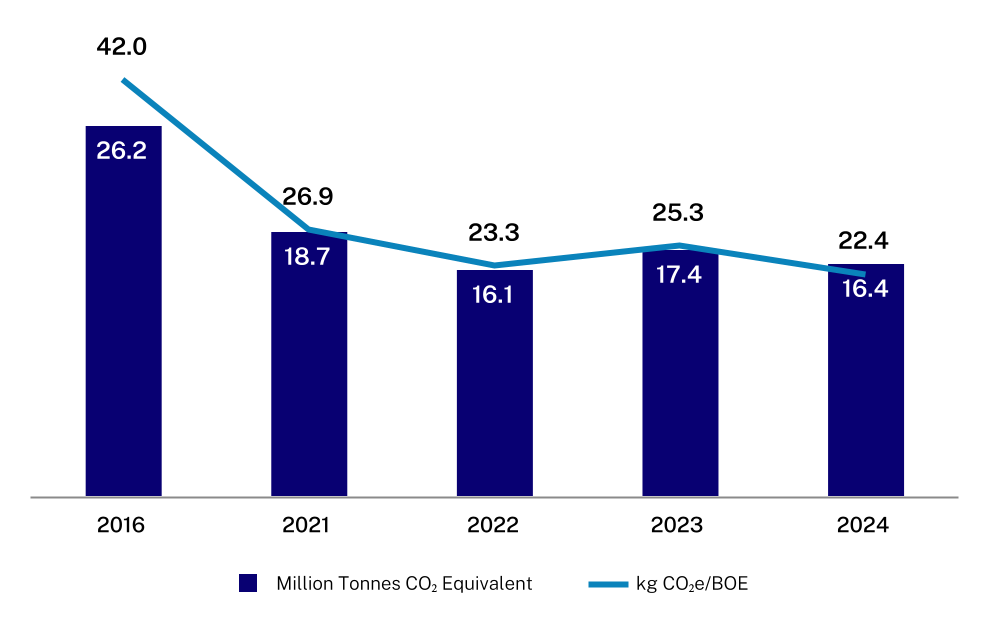


Total gross operated GHG emissions
Percent of total company

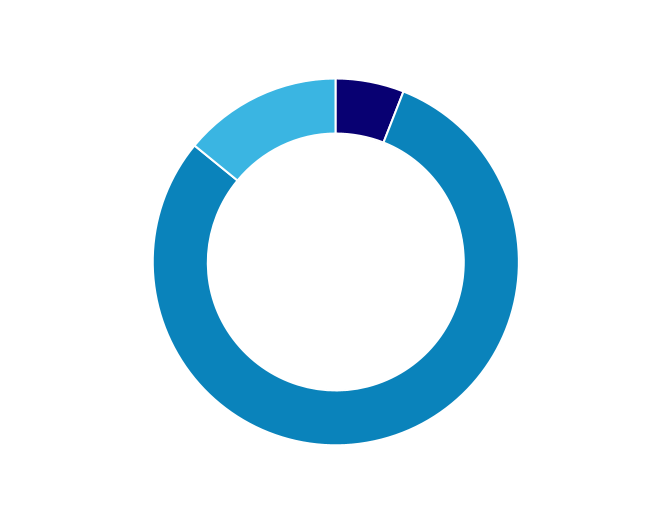

CO2 from imported electricity | 6%

Methane
(CO2e) | 14%

CO2 from
operations | 80%

N2O represents only about 0.1% of our gross operated emissions and is not included here.
Target progress
In April 2023, we strengthened our GHG intensity target to 50-60% reduction by 2030 from a 2016 baseline. The target covers Scope 1 and Scope 2 gross operated and net equity emissions. Our Scope 1 and Scope 2 GHG emissions and
emissions intensity calculations directly measure our performance and help us understand climate-related risk. Lower intensity assets are more resilient to policy, legal, technology and market risk.

2024 GHG emissions intensity target progress kg CO2e/BOE GWP AR5 adopted for 2016 and 2024 | ||
| ||
Target range is 50-60% reduction on both gross operated and net equity basis. Target range shown reflects 60% reduction on gross operated and 50% reduction on net equity basis. |

Gross operated pathway to 50-60% kg CO2e/BOE GWP AR5 adopted for 2016 and 2024 | ||
|

The company has already progressed toward meeting this target over the past several years. Between 2016 and 2024, we achieved a 45% intensity reduction on a target-related, gross operated basis through a combination of specific emissions reduction projects and portfolio changes. From 2024 to 2030, continued capital allocation actions are expected to have a combined impact of lowering GHG emissions intensity by roughly 5-15% as we increase production from assets with low intensity, such as those in the Permian Basin, and achieve reductions from near-term projects. Our progress to date has not included the use of voluntary offsets.
The target includes emissions that are related to production and excludes emissions from our aviation and polar tankers fleets. This may give rise to small differences between the intensity we report for our GHG target purposes and the intensity we report for our annual metrics. Since 2019, this difference has been less than 2%, or 1 kg CO2e/BOE.
Assuming a stable portfolio is maintained between now and 2030, our 2030 gross GHG intensity target is associated with a reduction in total absolute GHG emissions of approximately 10.5 to 13.1MM tonnes CO2e between 2016 and 2030.
Net equity and non-operated emissions
In addition to progress against our operational GHG emissions intensity target, we are also working toward reducing our net equity GHG emissions intensity. Our target-related net equity emissions were 5% higher in 2024 compared to 2023, at 20.8 million tonnes CO2e due to increased equity at our Surmont asset and the inclusion of emissions from small non-operated assets. This corresponds to a target-related net equity intensity of 29.0 kg CO2e/BOE. About 43% of our net-equity emissions are from non-operated assets.

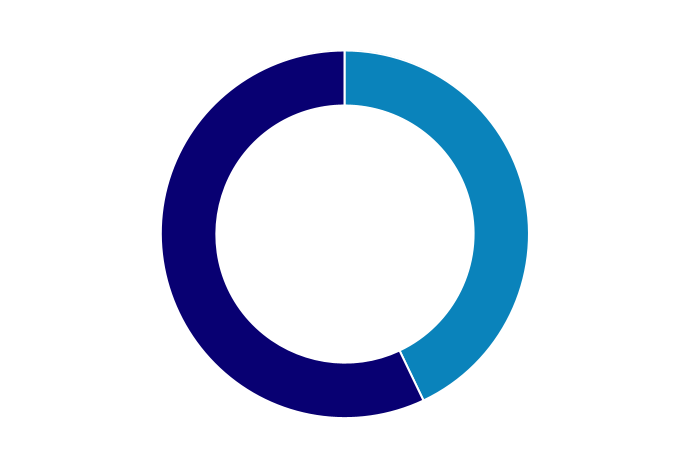

Equity based operated
57%

Net equity GHG emissions

Equity based non-operated
43%
Because we approach our company's emissions reduction targets as a shared challenge, we look to influence our joint operating partners’ climate risk strategies and GHG targets and align our emissions reduction activity. We engage with our major operating partners to align on approaches to managing climate-related risk.
Our Non-Operated Asset Working Group meets to align on ways of working with non-operated partners, meet our company strategic objectives, and exchange knowledge on best practices and levels of engagement. These opportunities will deepen our understanding of non-operated partners’ operational directions and targets and allow us to engage with partners on specific emissions reduction initiatives and frameworks as a response to regulatory, social and stakeholder pressures.
Net equity emissions are calculated based on the equity share approach as defined in “The Greenhouse Gas Protocol: A Corporate Accounting and Reporting Standard (WRI)” and we request GHG emissions data from our partners on an annual basis. In certain cases, we obtain the required information from regulatory reports. Additionally, we calculate emissions based on asset-specific emissions intensities and our equity share.

Net equity pathway to 50-60% kg CO2e/BOE GWP AR5 adopted for 2016 and 2024 | ||
|

Methane
Performance
In 2024, estimated methane emissions totaled 2.3 million tonnes of CO₂e and constituted approximately 14% of our total GHG emissions. As of year-end 2024, we have achieved an approximate 64% methane emissions intensity reduction from 2015 with an intensity of 3.2 kg CO2e/BOE.1 The decrease in estimated emissions between 2023 and 2024 is primarily a result of efforts in our Lower 48 assets to improve emission calculation methodologies by incorporating updated field-wide survey data, remove pneumatic devices, and improve flare management. Year over year reduction of pneumatic devices is approximately 60% in the Lower 48. The completion of a turnaround in Surmont also contributed to the overall decrease.
Target progress
We have both a near-term and medium-term target2 for reducing methane emissions:
By 2025: Meet a 10% methane emissions intensity reduction target by 2025 from a 2019 baseline.
By 2030: Achieve a near-zero methane emissions intensity by 2030. This near-zero target is defined as 1.5 kg CO2e/BOE or approximately 0.15% of natural gas produced.
In 2023, there was an increase in estimated emissions between 2022 and 2023 which can be attributed to improved data quality and demonstrates our commitment to incorporating the best available information from our assets and the importance of transparency. While this may potentially impact our 2025 methane intensity target, we continue to monitor progress against the target, and we are maintaining line of sight to our 2030 target. With regulatory reporting changes phasing in over 2024 and 2025, there remains some uncertainty over near-term methane emissions levels. Our path to near-zero methane emissions by 2030 includes:
Maintaining sound operating practices, including aerial and ground-based surveys for leak detection to identify fugitive emissions events early.
Focusing on eliminating pneumatics.
Minimizing flare downtime.
Managing emissions from thief hatches.
Validating emissions measurement through OGMP 2.0.
Evaluating and executing emissions reduction opportunities including our methane-related MACC projects.
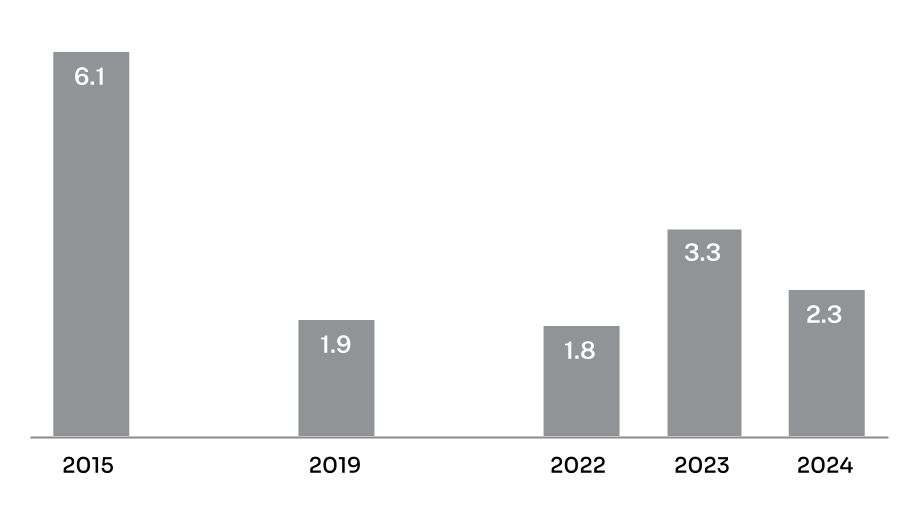

1The Global Warming Potential (GWP) values from the Fifth Assessment Report (AR5) of the Intergovernmental Panel on Climate Change (IPCC) has been adopted in 2024 to align with most reporting methodologies used in the regions we operate, and in alignment with the GHG Protocol. This adjustment applies exclusively to the metrics for the year 2024 presented in the performance tables, and to our 2019 baseline target year for methane, as is standard practice, to ensure consistency between base year and future target years. As a result of this adjustment, the company total methane emissions changes for the baseline year 2019 have been revised from 1.7 to 1.9 million tonnes of CO2e. Similarly, the values for 2024 have been updated from 2.1 to 2.3 million tonnes of CO2e.
Total gross operated methane emissions1 Million tonnes CO2e GWP AR5 adopted for 2019 and 2024 |

Gross operated methane intensity progress kg CO2e/BOE GWP AR5 adopted for 2019 and 2024 |
|

The Oil and Gas Methane Partnership 2.0
Joining the initiative
In July 2022, ConocoPhillips joined the Oil and Gas Methane Partnership (OGMP) 2.0 initiative, a voluntary, public-private partnership between the United Nations Environment Programme (UNEP), the European Commission, the Environmental Defense Fund and oil and gas companies. OGMP 2.0 has emerged as a globally recognized framework for methane emissions measurement and reporting and is aimed at minimizing methane emissions from global oil and gas operations. We are committed to improving the transparency of our methane emissions reporting and delivering on our methane reduction objectives and targets by collaborating with industry peers to accelerate best practices in our operations. Ultimately, reporting through OGMP 2.0 will help us make better informed decisions about where to prioritize our efforts to have the maximum impact on reducing our emissions footprint.

Implementing our plan
OGMP 2.0 “levels” refer to increasing reporting requirements and additional granularity.
Level 3 includes reporting of emissions by detailed source type based on generic emissions factors.
Level 4 emissions are based on source-level measurements and often calculated using site-specific emission factors and activity factors.
Level 5, the gold standard for reporting, includes measurement at the site or facility level and reconciliation with Level 4 source-level reporting estimates.1
1FAQ – OGMP 2.0 (ogmpartnership.com)
Approach
As part of OGMP 2.0, we committed to reporting methane emissions from both operated and non-operated assets, according to our reporting boundaries, and we submitted our first OGMP 2.0 Implementation Plan in May 2023. At that time, a majority of the emissions from our assets were reported at Level 3. In 2023 and 2024, we implemented a measurement campaign involving sampling hundreds of sites across Lower 48, Alaska, Canada, Australia and Norway at a mix of facilities, including large, complex sites, batteries/facilities and well pads. Results from these sampled sites were used to inform asset-level totals.
While our measurement campaign spans global assets our Lower 48 team is leading the effort since a majority of company methane emissions are from Lower 48 assets, and learnings from these assets can be leveraged for other operating areas.
Results and impacts to reported data
Our results to date are generally consistent with other published studies and included findings such as:
Most of our emissions come from a small percentage of sources, with a few high-emission events accounting for a large portion of the inventory.
Emissions from sources like pneumatic devices were smaller compared to regulatory-based estimates.
The difference between top-down emissions and bottom-up emissions was dependent on basin; neither measurement type yielded consistently higher emissions across basins.
In basins where the top-down emissions were higher, it was often a result of higher emissions from episodic events.
We do not consider that the measurement technologies will yield exact representations; we use our results to evaluate mitigation approaches rather than determine precise quantifications. As we continue our Level 5 reporting, we anticipate
that measurement technologies will continue to improve, so we continue to monitor, pilot and test a range of measurement technologies across our assets.
A desired outcome of OGMP 2.0 is that in the future, measurement-based information can be incorporated into regulatory-required methane emissions reporting. While emissions inventories required by the EPA and other regulators today are based on equipment count and production, we expect this to show more convergence with our measurement-based OGMP 2.0 inventory as EPA and other regulations evolve to allow the incorporation of empirical data beginning in 2025. In the interim, we anticipate our measurement-informed emissions estimates to differ from EPA and other regulatory reported emissions. However, increased emissions estimates from better measurement-informed practices are not likely to impact our ability to achieve our 2030 GHG intensity target given our robust emissions reduction approach and focused monitoring efforts on the most impactful emissions sources.
Methane estimates comparison | ||
(thousand tonnes CH4) | ||
Regulatory-based estimate | OGMP 2.0 | |
2023 | 131.9 | 144.3 |
20241 | 85.2 | |
1 2024 value includes Marathon Oil asset data from Nov 22, 2024 to year end. | ||
Next steps
In 2024, we were awarded OGMP 2.0’s Gold Standard Reporting designation3 in recognition of achieving Level 5 for 97% of operated assets, a full three years ahead of the mandatory requirement. In the International Methane Emissions Observatory 2023 Report, we were recognized as “leading performance at Level 5”; “ConocoPhillips’ reporting is best in class this year. The company conducted an outstanding data reconciliation analysis that yielded a robust Level 5 estimate of their emissions for all material operating assets. This is noteworthy as it was achieved in year 2, ahead of the required deadline for operated assets and a strong signal to other companies of what is possible.”
We will continue to advance methane measurement efforts, including:
Focusing on the most impactful and cost-effective reductions, including those reductions informed by OGMP 2.0 measurements.
Continuing our measurement program as we expand our source-level and site-level measurements in 2025 and beyond.
Piloting new technologies as methane measurement practices improve.
Using the latest academic research on calculations related to measurement-based inventories.
Continuing to progress to Level 5 reporting across our material assets as asset materiality changes due to acquisitions, divestitures, and methane mitigation efforts.
Engaging with non-operating partners and OGMP 2.0 members for industry-wide improvement in methane measurement and reporting.
Flaring
Performance
Flaring is a safety-related process for the controlled release and burning of natural gas during oil and gas exploration, production and processing operations. Flaring is required to safely dispose of flammable gas released during process
upsets or other unplanned events and to safely relieve pressure before performing equipment maintenance. Flaring is also used to control and reduce emissions of volatile organic compounds from oil and condensate storage tanks.
In 2024, the total volume of flared gas was 20.2 BCF, a decrease of 8% from 2023. The decrease was primarily attributed to reductions from our Lower 48 operations, including removal of flares and increased vapor recovery unit coverage allowing more gas to be captured rather than flared.

Total flaring volume and intensity


Routine flaring
Million Cubic Feet
Target progress
ConocoPhillips is committed to the World Bank Zero Routine Flaring by 2030 initiative, a program that aims to create consistency among governments, the oil and gas sector and development institutions to address flaring.4 We support the World Bank Zero Routine flaring by 2030 initiative and remain on schedule to meet a target of zero routine flaring by the
end of 2025 (excluding the recently acquired Marathon Oil assets). We continue to make strong progress on this goal, as routine flaring has been reduced to just 4 MMCF as of the end of 2024. We achieved this through active well management to shut-in wells during capacity constraint events and working closely with third-party gas offtake providers to ensure sufficient capacity. Other projects focus on treatment of sour gas, flare capture and de-bottlenecking.
While total flaring emissions make up only about 14% of our total Scope 1 GHG emissions, the target will drive continued near-term focus on routine flaring reductions across our assets.
In addition to our near-term routine flaring target, we are exploring the development of a total flaring intensity target for 2030.
1 While 2019 is the formal baseline for our methane emissions intensity target, we also compare performance to 2015 to show longer-term progress. 2015 is an important milestone year for international organizations like the UN-led Oil and Gas Methane Partnership 2.0 that aim to achieve a 45% methane emissions reduction by 2025 from 2015 levels.
2 These targets include emissions that are related to production and exclude emissions from our aviation and polar tankers fleets.
3 OGMP 2.0 “levels” refer to increasing reporting requirements and additional granularity. Level 3 includes reporting of emissions by detailed source type based on generic emissions factors are based on source-level measurements and often calculated using site-specific emission factors and activity factors. Level 5, the Gold Standard for reporting, includes measurement at the site or facility level and reconciliation with Level 4 source-level reporting estimates. FAQ – OGMP 2.0 (ogmpartnership.com)
4 Routine flaring is defined as flaring of associated gas that occurs during the normal production of oil in the absence of sufficient facilities to utilize the gas onsite, dispatch it to a market or reinject it. Flaring for safety reasons, non-routine flaring or flaring gas other than associated gas is not included as part of the World Bank Zero Routine Flaring initiative.